

Contact Us:
Plot 253, off Defense Quarters, Garki Area 1, Durumi 1, Abuja.
Landmark: The Apostolic Church, Area 1. Federal Capital Territory.
Tel: +2349070051404
Email: info@famefoundationwg.org

A Not-Profitable Organisation set up to formulate programmes through several initiatives to mentor, empower and advocate for women and girls.
FAME foundation was established to solicit, encourage and advance the social, emotional and economic wellbeing of women and girls as well as formulate programmes within the framework of national development plan with a view to enhancing the participation of women and advocate for gender parity in the society. FAME foundation firmly believe that the entire nation, businesses, communities and groups can benefit from the implementation of programs and policies that adopt the notion of women empowerment.
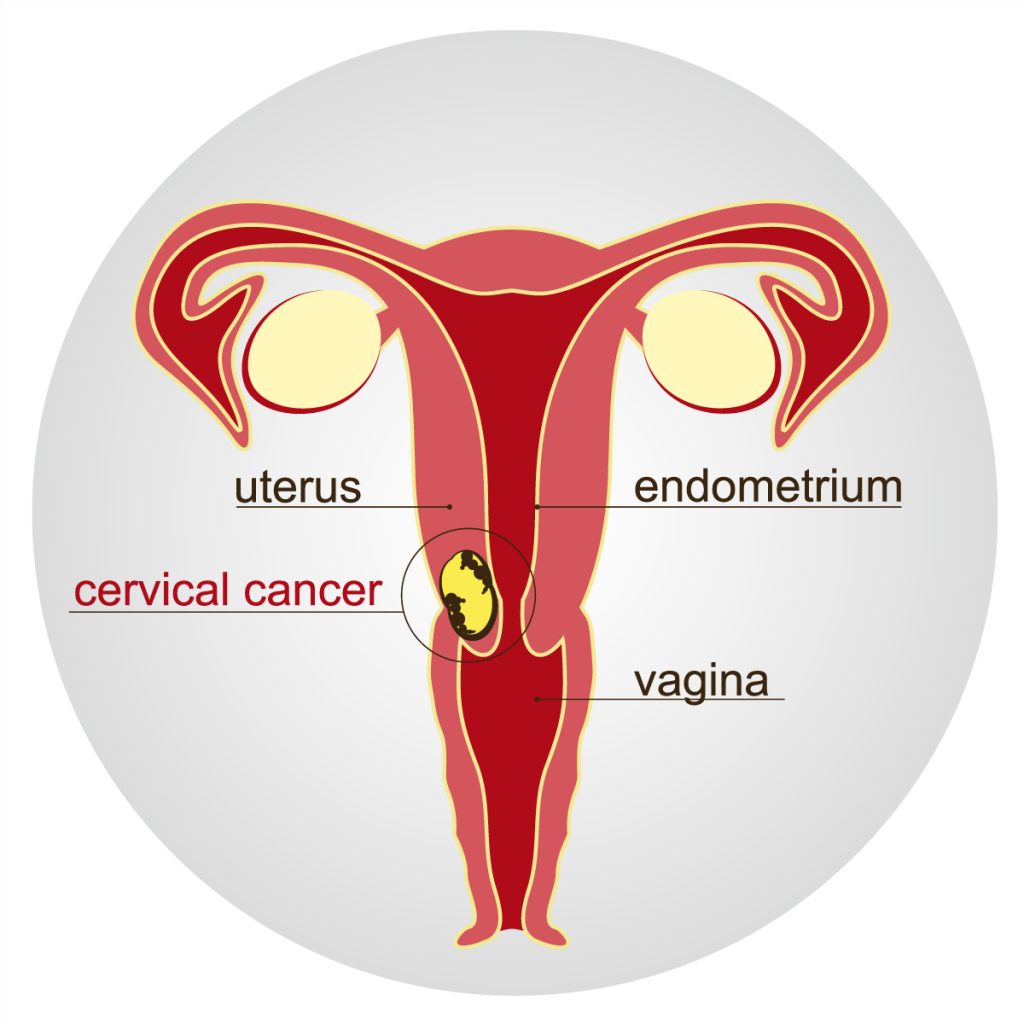
Cervical cancer, affecting the cervix – the lower part of the uterus, is primarily caused by the human papillomavirus (HPV), a commonly transmitted infection.
Cervical Cancer Burden in Nigeria
In Nigeria, cervical cancer is a significant health issue, with one of the highest rates in Africa. Annually, it results in around 14,943 new cases and 10,403 deaths. Limited access to screenings and treatment services, especially in rural areas, contributes to late-stage diagnoses and poorer treatment outcomes.
Diverse Impact on Women in Nigeria
Cervical cancer affects women of various age ranges in Nigeria. Although commonly diagnosed in women between 35 and 55, it can also occur in younger women.
Global Perspective on Cervical Cancer
Globally, cervical cancer ranks as the fourth most diagnosed cancer and the fourth leading cause of cancer death in women, with approximately 570,000 cases and 311,000 deaths in 2018. However, a disproportionate 85% of deaths occur in underdeveloped or developing countries, with a significantly higher death rate in low-income and middle-income countries compared to wealthier nations.
Cervical Cancer’s Regional Impact
In lower Human Development Index settings, cervical cancer follows breast cancer in incidence and mortality but stands as the most diagnosed cancer in 28 countries and the leading cause of cancer death in 42 countries. This is notably prevalent in Sub-Saharan Africa and South Eastern Asia, with Africa showing the highest regional incidence and mortality rates.
Risk Factors Associated with Cervical Cancer
Several risk factors for cervical cancer are linked to HPV exposure. The invasive cancer development process could extend up to 20 years from precursor lesions caused by sexually transmitted HPV. Other risk factors include sexual intercourse at a young age, multiple sexual partners, smoking, high parity, and low socio-economic status.
Early Detection: Key to Cervical Cancer Management
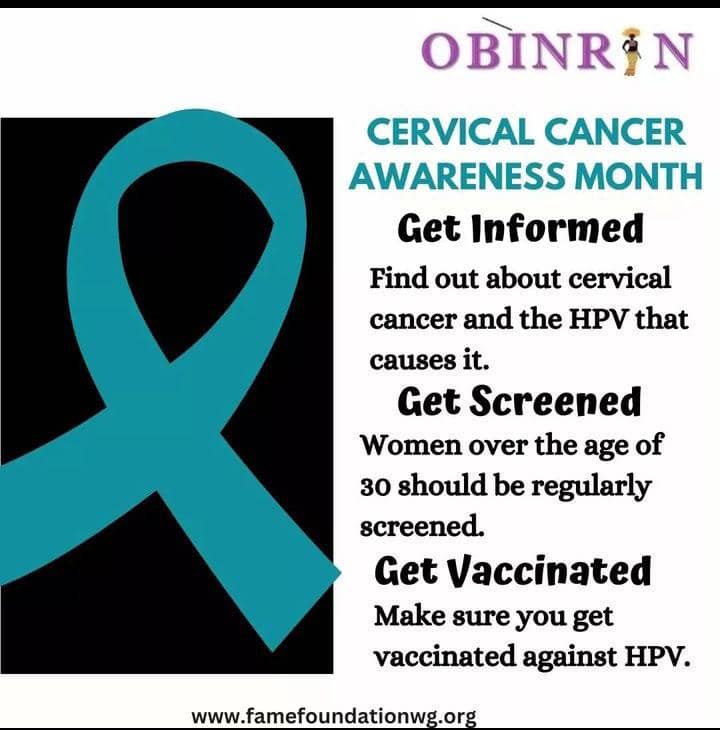
Early detection is vital in cervical cancer management. Regular screenings, such as pap tests and HPV tests, can identify abnormalities before they progress into cancer, increasing the effectiveness of treatment and the likelihood of successful outcomes.
Prevention Strategies
Prevention is equally crucial. The HPV vaccine is recommended for both boys and girls to guard against the most common types leading to cervical cancer. Additionally, practicing safe sex and using condoms can help reduce the risk of HPV transmission.
Empowering Women Through Awareness
Raising awareness about cervical cancer is essential to empower women in managing their health. Utilizing social media platforms to share information, facts, and statistics can reach a broader audience, educating them about the significance of screenings and prevention methods.
Addressing Healthcare Disparities
It’s crucial to address healthcare access barriers. Advocating for equal access to screenings and promoting resources in undeserved communities contributes to a more equitable healthcare system.