Contact Us:
Plot 253, off Defense Quarters, Garki Area 1, Durumi 1, Abuja.
Landmark: The Apostolic Church, Area 1. Federal Capital Territory.
Tel: +2349070051404
Email: info@famefoundationwg.org
A Not-Profitable Organisation set up to formulate programmes through several initiatives to mentor, empower and advocate for women and girls.
FAME foundation was established to solicit, encourage and advance the social, emotional and economic wellbeing of women and girls as well as formulate programmes within the framework of national development plan with a view to enhancing the participation of women and advocate for gender parity in the society. FAME foundation firmly believe that the entire nation, businesses, communities and groups can benefit from the implementation of programs and policies that adopt the notion of women empowerment.
 July 1, 2025
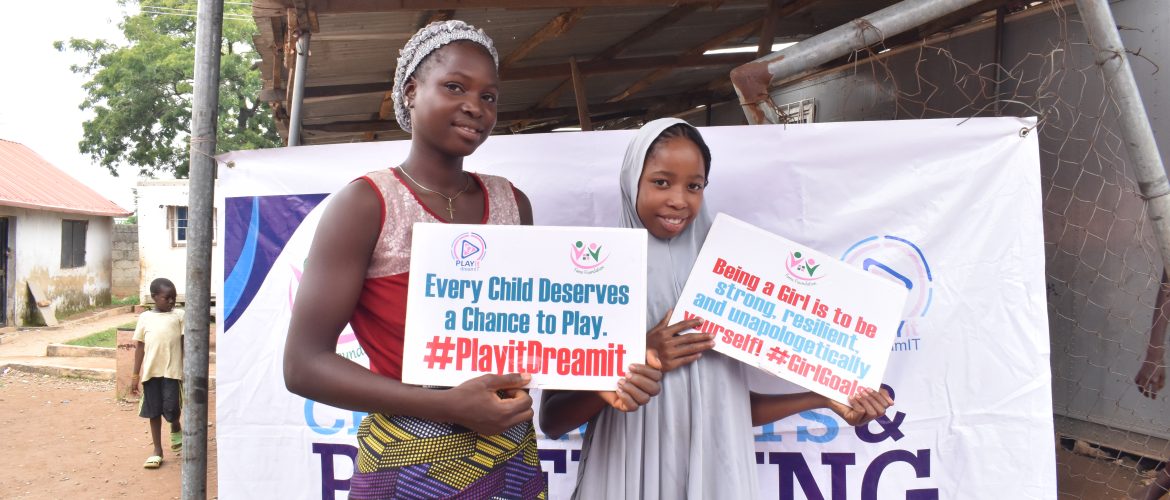
Child Right and Parenting Outreach
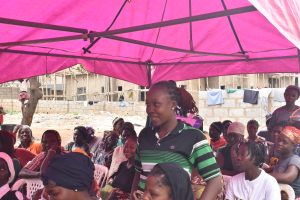
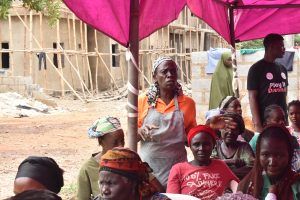
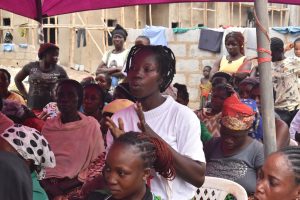
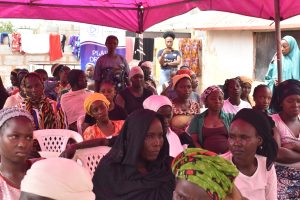
On June 28, 2025, FAME Foundation, in partnership with Laureus Sport for Good, hosted its Child Rights and Parenting Outreach at the New Kuchingoro Internally Displaced Persons (IDP) Camp in Abuja under the PLAY it DREAM it program. The initiative was designed to educate and empower women and girls on their rights and responsibilities as caregivers, while encouraging parenting practices that promote equality, respect, and emotional well-being for all children, regardless of gender.
The outreach brought together over 80 women and girls from the camp community. The day’s activities were built around conversations on gender roles, unequal access to education, and the long-term consequences of harmful cultural expectations that often begin in childhood. Participants were invited to reflect on how social norms rooted in tradition, religion, or societal expectations can limit the potential of both boys and girls, particularly when those norms are not questioned or challenged.
Ms. Chizoba Anyadiegwu, the guest speaker went beyond the surface of gender roles in domestic chores to examine deeper, systemic patterns that disadvantage girls and reinforce male dominance within families. She addressed issues such as educational prioritization, emotional suppression in boys, the policing of girls’ behaviour, and unequal access to recreational opportunities like sports and creative activities.
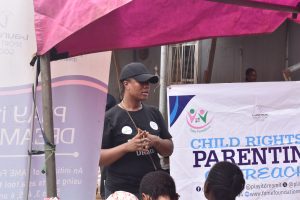
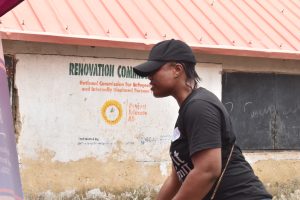
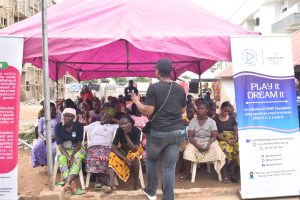
Ms. Anyadiegwu highlighted how parents, often unknowingly, shape children’s sense of identity and self-worth by applying different expectations to sons and daughters. She explained that girls are frequently told to be quiet, modest, and helpful, while boys are praised for being assertive and independent. These imbalances, she noted, create long-term consequences that affect children’s confidence, decision-making ability, and mental health. The group examined how these early influences often lead to larger gaps in leadership, economic independence, and personal agency later in life.\

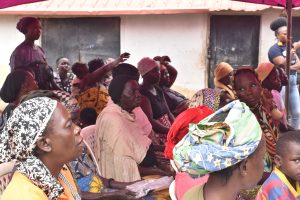
Participants were encouraged to re-evaluate common parenting practices and begin to foster environments where both boys and girls are free to express themselves, pursue education equally, and explore their interests without fear of judgement or restriction. The session also touched on the emotional needs of children, particularly boys, who are often discouraged from expressing vulnerability, leading to emotional suppression and behavioural challenges. Ms. Anyadiegwu urged parents to allow children, regardless of gender, to develop emotional intelligence and communication skills as essential tools for healthy relationships and self-awareness.
Interactive sessions gave participants the opportunity to share their experiences, ask questions, and commit to adopting small but meaningful changes at home. Many reflected on how generational beliefs had shaped their own upbringing and expressed interest in breaking those cycles for the benefit of their children.