
Contact Us:
Plot 253, off Defense Quarters, Garki Area 1, Durumi 1, Abuja.
Landmark: The Apostolic Church, Area 1. Federal Capital Territory.
Tel: +2349070051404
Email: info@famefoundationwg.org
A Not-Profitable Organisation set up to formulate programmes through several initiatives to mentor, empower and advocate for women and girls.
FAME foundation was established to solicit, encourage and advance the social, emotional and economic wellbeing of women and girls as well as formulate programmes within the framework of national development plan with a view to enhancing the participation of women and advocate for gender parity in the society. FAME foundation firmly believe that the entire nation, businesses, communities and groups can benefit from the implementation of programs and policies that adopt the notion of women empowerment.
 July 31, 2025
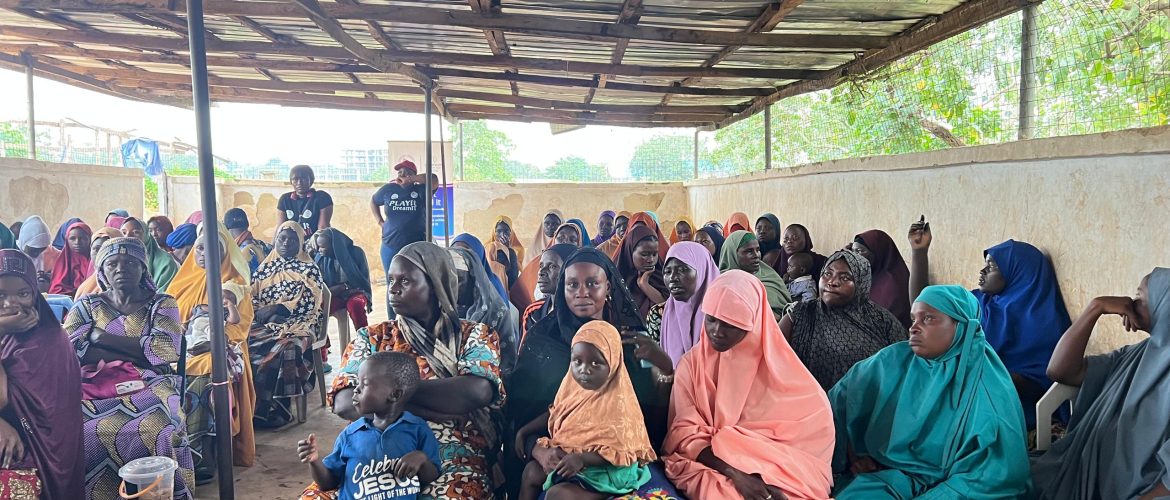
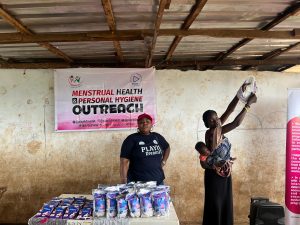
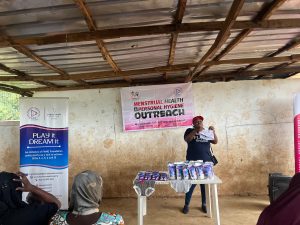
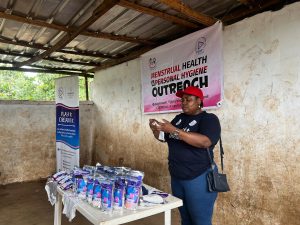
FAME Foundation, in partnership with Laureus Sport for Good, conducted a Menstrual Health and Personal Hygiene Outreach at the Durumi Internally Displaced Persons (IDP) Camp in Area 1, Abuja. The outreach is part of the ongoing PLAY it DREAM it initiative and was targeted at addressing menstrual health and hygiene awareness among displaced women and girls.
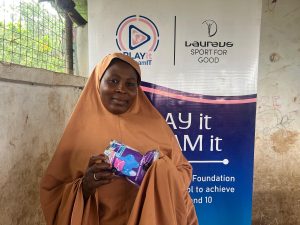
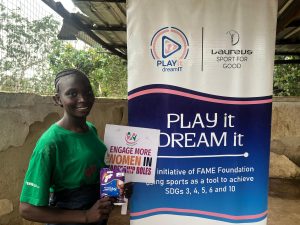
The event took place on July 26, 2025, and engaged over 70 women and girls living within the camp. The goal of the session was to educate beneficiaries on menstrual health, safe use of sanitary products, and the broader health risks linked to poor hygiene practices.
The first session was led by Madam Ngozi Osinachi, who delivered a session on “Breaking the Cycle: Ending Menstrual Stigma, Managing Hygiene, and Addressing Myths Around Menstruation.” Her presentation focused on the cultural and societal barriers that limit open conversations about menstruation. She discussed how long-standing beliefs and taboos contribute to misinformation, silence, and embarrassment surrounding the subject.
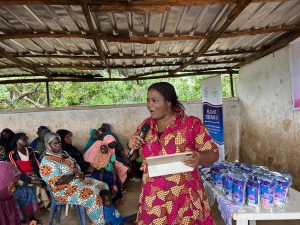
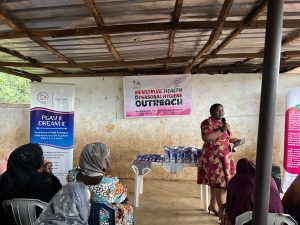
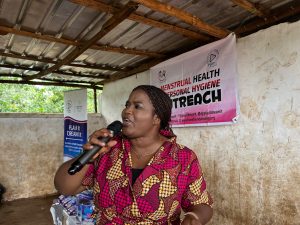
She encouraged the participants to reject misinformation and instead rely on accurate knowledge. She further explained that menstruation is a biological process and that talking about it openly helps improve the physical and emotional health of women and girls. Madam Ngozi urged attendees to engage in conversations about menstrual health within their communities and to support others in doing the same.
Following her session, Ms. Folake Oyebade facilitated a practical session on menstrual hygiene management. She introduced participants to different types of menstrual products, including disposable pads and reusable cloth pads. Each product was presented with detailed explanations about its use, disposal, and maintenance where applicable.
Ms. Folake addressed the differences in menstrual flow and how to select menstrual products based on flow level, personal comfort, and daily routine. She explained the need to regularly change sanitary products and maintain proper hygiene to avoid infections.
In addition to product education, she shared dietary information relevant to menstrual health. She highlighted the importance of consuming iron-rich foods, fruits, vegetables, and drinking adequate water during menstruation. These dietary suggestions were provided to help reduce symptoms like cramps, tiredness, and mood changes.
Throughout the session, participants were given the opportunity to ask questions, and many shared personal experiences. The discussions were interactive and focused on building practical knowledge that the women and girls could apply in their daily lives.
The outreach ended with an informal feedback session where participants expressed appreciation for the information shared and requested more similar sessions in the future. The event contributed to raising awareness and building knowledge around menstrual health and hygiene among displaced women and girls in the Durumi IDP Camp.