
Contact Us:
Plot 253, off Defense Quarters, Garki Area 1, Durumi 1, Abuja.
Landmark: The Apostolic Church, Area 1. Federal Capital Territory.
Tel: +2349070051404
Email: info@famefoundationwg.org

A Not-Profitable Organisation set up to formulate programmes through several initiatives to mentor, empower and advocate for women and girls.
FAME foundation was established to solicit, encourage and advance the social, emotional and economic wellbeing of women and girls as well as formulate programmes within the framework of national development plan with a view to enhancing the participation of women and advocate for gender parity in the society. FAME foundation firmly believe that the entire nation, businesses, communities and groups can benefit from the implementation of programs and policies that adopt the notion of women empowerment.
 September 30, 2025
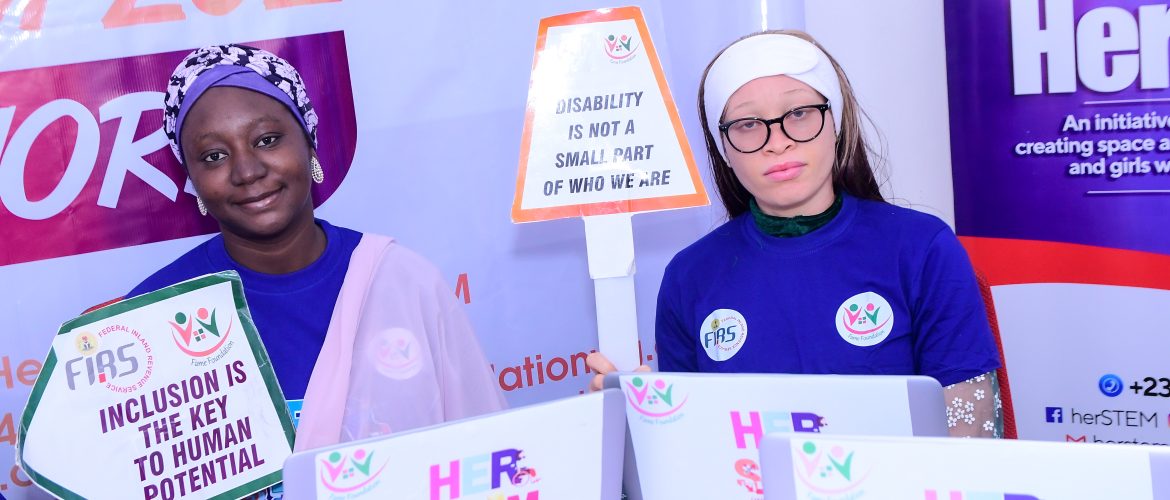
FAME Foundation officially launched the HerSTEM Cohort 3.0 initiative on June 17, 2025. It is designed as a nine-month program to empower women and girls with disabilities by equipping them with digital literacy and computer skills. The inaugural session was facilitated by the tutor, Mr. Joshua Ehiatue, with support from professional sign language interpreters, Mrs. Akura Charity and Mr. Jayeola Shina.
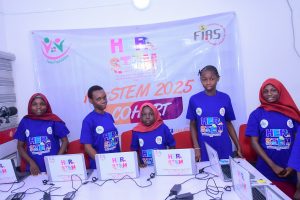
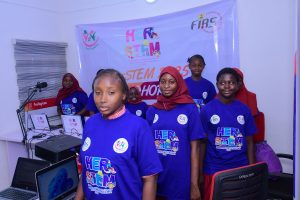

The first class introduced participants to foundational computer knowledge, including the definition and operations of a computer, the roles of input and output devices, and the difference between hardware and software. After an interactive discussion, the training moved to a practical Microsoft Word session where participants practiced typing, formatting, and saving documents. The women’s afternoon class covered the same topics with the addition of internet basics, including the history and structure of networks. Both groups overcame initial challenges with the help of demonstrations and personalized support, creating a strong foundation for subsequent classes.
Over the following weeks, participants from the Abuja School of the Deaf and women with disabilities continued to attend regularly and engage actively in the program. Classes gradually advanced from basic Microsoft Word applications to more detailed formatting techniques, inserting shapes, applying colors, and creating biodata pages. By the third week, learners had become familiar with essential computer keys such as the Escape, Tab, Caps Lock, Ctrl, and Enter keys, which they applied in practical typing and shortcut exercises. Their work culminated in projects such as biodata designs and appreciation letters.

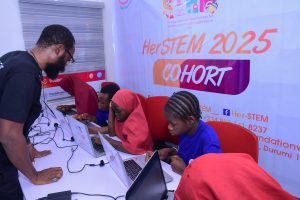
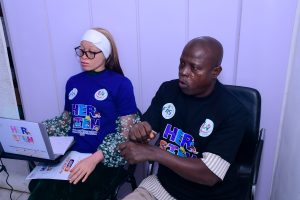
A highlight of the first month was the introduction of tests to assess retention and skill development. All participants scored above average. Subsequent sessions expanded into resume creation, email account setup, and the design of professional flyers.
In August, the program introduced Microsoft Excel, beginning with the interface, formulas, and basic data management. Participants practiced arithmetic formulas, sorting and filtering data, and designing attendance registers. They later progressed to applying the IF function, calculating percentages, and working with averages. A continuous assessment held in early September showed excellent results across the board.
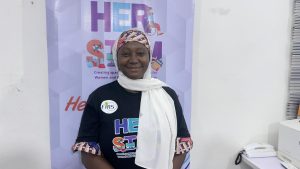
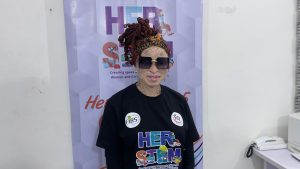
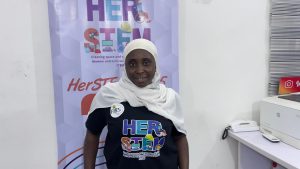

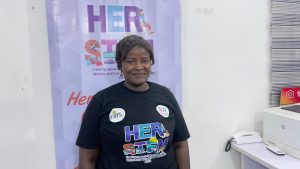
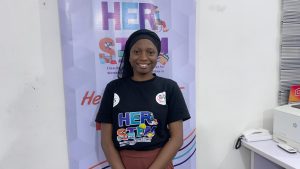
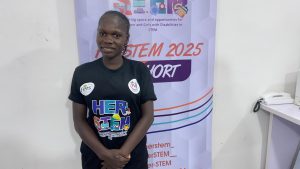
By September, participants had also explored advanced Word techniques such as writing on images and working with text boxes. The final session of the quarter, facilitated by Mr. Muhammed Opaluwa, reinforced these skills through design projects and concluded with a Monitoring, Evaluation, and Learning (MEL) exercise. During this session, participants shared positive feedback, expressed gratitude, and conveyed excitement about moving into the next phase of training.
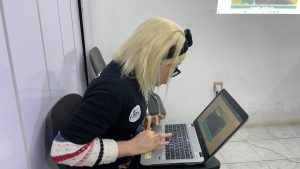
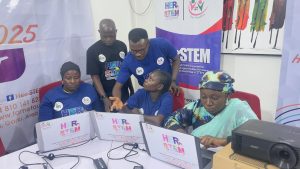
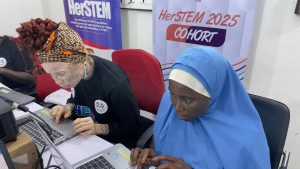
The next phase of the program, running from October to December 2025, will focus on strengthening these foundations through advanced Excel, PowerPoint, internet applications, and project-based learning. With the progress already achieved, participants are well-prepared to deepen their knowledge and continue their journey of empowerment through technology.