
Contact Us:
Plot 253, off Defense Quarters, Garki Area 1, Durumi 1, Abuja.
Landmark: The Apostolic Church, Area 1. Federal Capital Territory.
Tel: +2349070051404
Email: info@famefoundationwg.org
A Not-Profitable Organisation set up to formulate programmes through several initiatives to mentor, empower and advocate for women and girls.
FAME foundation was established to solicit, encourage and advance the social, emotional and economic wellbeing of women and girls as well as formulate programmes within the framework of national development plan with a view to enhancing the participation of women and advocate for gender parity in the society. FAME foundation firmly believe that the entire nation, businesses, communities and groups can benefit from the implementation of programs and policies that adopt the notion of women empowerment.
 November 25, 2025
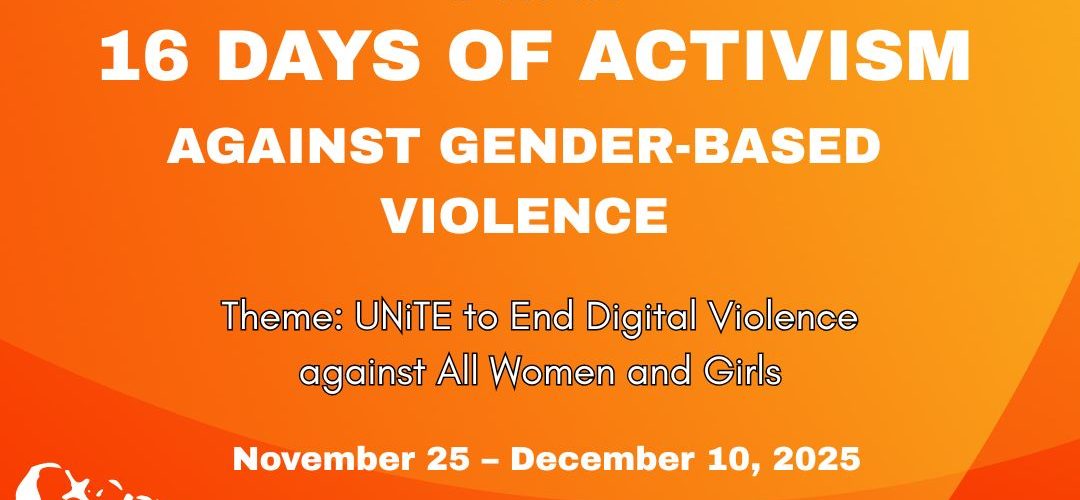
Today, FAME Foundation, a nonprofit organization based in Abuja, marks the start of the 2025 16 Days of Activism Against Gender-Based Violence, joining voices worldwide under the theme: “UNiTE to End Digital Violence Against All Women and Girls.”
The campaign, which runs annually from November 25 to December 10, draws attention to the rising issue of online abuse that threatens the safety and rights of women and girls in Nigeria. FAME Foundation is committed to raising awareness, empowering communities, and advocating for a safer digital space for all women and girls.
Digital violence is rapidly increasing in Nigeria, with women and girls facing cyberstalking, harassment, impersonation, sexual exploitation, and the non-consensual sharing of private images. The Gatefield State of Online Harms 2025 report estimates that 68.9 million Nigerians have experienced online abuse, disproportionately affecting women. Nigeria Communications Commission (NCC) data shows 97% of children have faced online sexual exploitation, and 89% have received unwanted sexual content or requests.
Speaking to the press, Arabinrin Aderonke Atoyebi, Executive Director, FAME Foundation, noted that,
“Digital violence is now one of the most common forms of abuse in Nigeria, but many people still do not understand it. Every day, women and girls are subjected to harassment, threats, and exploitation on platforms like X, Instagram, Facebook, TikTok, and other social media networks. This is not a minor inconvenience or a technology glitch; this is a human rights issue that demands coordinated action.”
She also raised concerns about the silence that surrounds online abuse, stating that,
“Many survivors do not report digital violence because they fear judgment, shame, or indifference. When we dismiss online harm as ‘not serious,’ we deepen the trauma and shut survivors out of spaces where they deserve protection and support.”
While Nigeria has laws such as the Cybercrimes Act and the Violence Against Persons Prohibition (VAPP) Act, many women and girls remain exposed to digital abuse due to gaps in enforcement.
Arabinrin Aderonke highlighted the urgency of the issue, noting,
“Having laws on paper is not enough. Survivors still face barriers when seeking justice, and too often, perpetrators operate without consequence. We need enforceable measures and accountability from both authorities and technology platforms to make online spaces safe.”
She further called on all segments of society to take responsibility, adding that,
“Ending digital violence is our collective responsibility. Parents, educators, policymakers, men, boys, and the media must all play their part. We must build digital spaces where women and girls feel safe, respected, and empowered, not silenced or intimidated.”
As the 16 Days of Activism begins, FAME Foundation urges government bodies, civil society organizations, technology companies, communities, and individuals to strengthen reporting systems, support survivors, and promote a culture of online safety and accountability.