
Contact Us:
House 3, Gloriana Gardens Estate, NUT road, Sabon Lugbe, Abuja, Nigeria
Landmark: National Union of Teachers (NUT), Sabon Lugbe.
Tel: +2349070051404
Email: info@famefoundationwg.org
A Not-Profitable Organisation set up to formulate programmes through several initiatives to mentor, empower and advocate for women and girls.
FAME foundation was established to solicit, encourage and advance the social, emotional and economic wellbeing of women and girls as well as formulate programmes within the framework of national development plan with a view to enhancing the participation of women and advocate for gender parity in the society. FAME foundation firmly believe that the entire nation, businesses, communities and groups can benefit from the implementation of programs and policies that adopt the notion of women empowerment.
 June 2, 2025
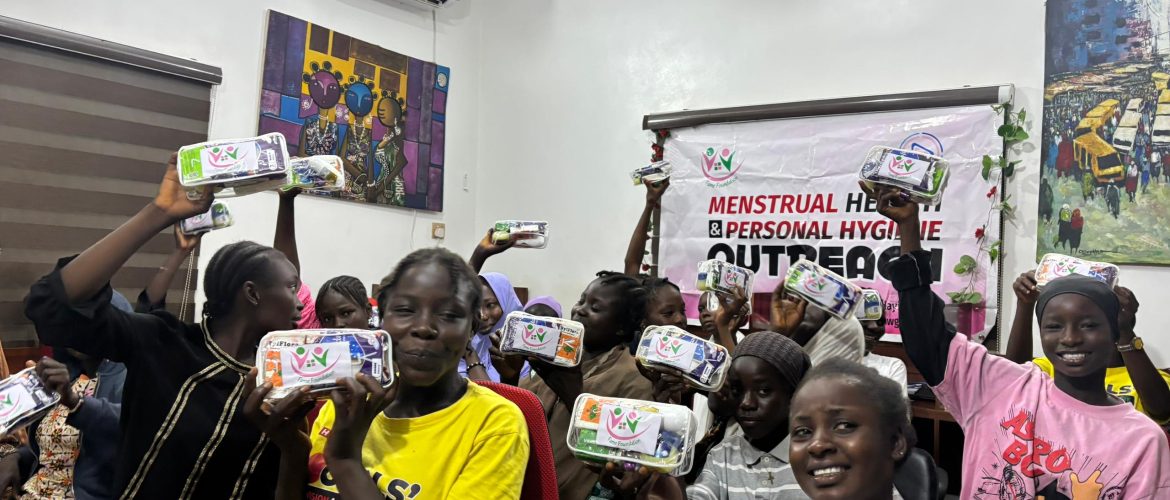
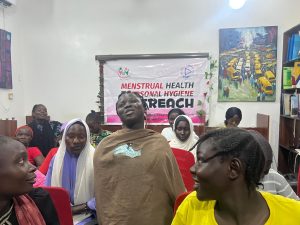
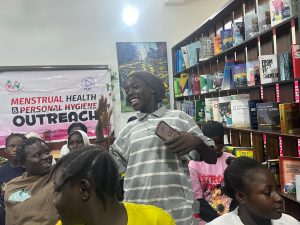
FAME Foundation held a menstrual hygiene workshop on May 28 at FAME Hub in commemoration of World Menstrual Hygiene Day, observed annually to raise awareness and promote menstrual health. The event was organized under the PLAY it DREAM it initiative and aimed to provide accurate information on menstrual health and hygiene while addressing misconceptions and reducing stigma.
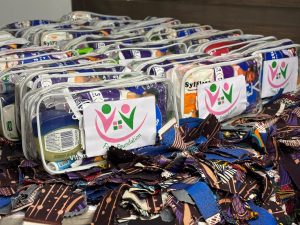
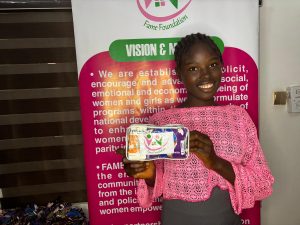
The workshop brought together girls from the Durumi and New Kuchingoro IDP Camps and focused on creating a safe and inclusive space where participants could learn, ask questions, and engage in open discussions. Interactive sessions covered essential aspects of menstrual care, including practical hygiene tips and the importance of maintaining overall health during menstruation.
Ms. Folake Oyebade facilitated the first session titled “Understanding Your Cycle – From First Signs to Ovulation.” She began by introducing the participants to the early signs of puberty, including breast development, the appearance of body hair, and changes in mood and body odor. Her session explained how these signs indicate that menstruation is approaching and how the body naturally prepares for this stage. She then broke down the menstrual cycle into its phases, using relatable examples to help participants understand the hormonal changes that occur throughout the month. Special attention was given to the ovulation phase, including how to identify it through signs such as changes in cervical mucus and mild abdominal cramping. She introduced period tracking methods using both calendars and mobile apps to help the girls monitor their cycles and better anticipate changes in their bodies. The session was highly interactive, with participants asking questions and sharing what they had experienced or heard. This approach helped normalize the conversation around menstruation and encouraged participants to be proactive about their reproductive health.
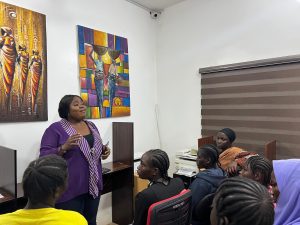
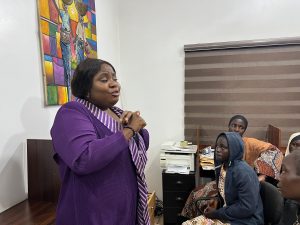
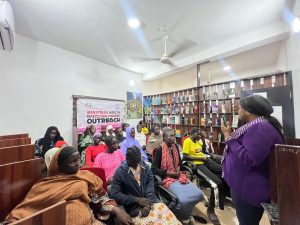
Ms. Oladayo Shogbanmu led the second session, which focused on “Cramps, What to Avoid Before Your Period, and What the Color of Menstrual Blood Says About Your Health.” She began by discussing the causes of menstrual cramps, including uterine contractions and hormonal fluctuations, and addressed the physical and emotional discomfort many girls face during this time. She explained the importance of maintaining a balanced diet and staying hydrated, and recommended avoiding certain foods such as sugary snacks, excessive caffeine, and salty meals that could increase bloating or worsen cramps. Her session also included natural ways to relieve cramps, such as the use of warm compresses, light physical activity, and proper rest. The discussion extended to the color and consistency of menstrual blood, helping participants understand the meaning behind changes such as bright red, dark brown, or very light bleeding. She emphasized the need to pay attention to unusual symptoms, such as strong odors, prolonged heavy bleeding, or severe pain, and advised seeking medical help when necessary. The girls responded with curiosity and enthusiasm, asking questions about their experiences and receiving clear, reassuring answers. The session helped dismantle fear and misinformation by focusing on knowledge, body awareness, and accessible health tips.
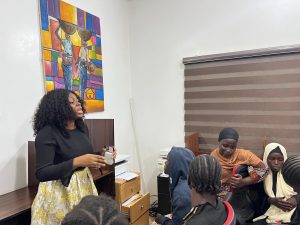
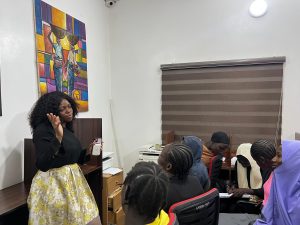
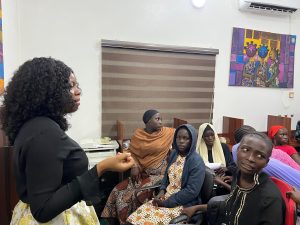
A question-and-answer session concluded the workshop, offering participants the opportunity to seek further clarification, share personal experiences, and deepen their understanding of the topics presented. This final part of the program created a strong sense of support and connection among the attendees and facilitators. Participants expressed appreciation for the safe space and for being given the opportunity to speak freely about issues they had previously felt too shy or embarrassed to discuss.
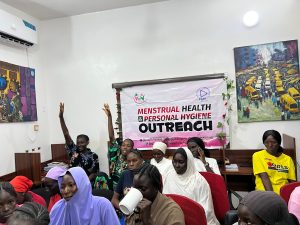
FAME Foundation remains committed to menstrual hygiene education as a critical aspect of promoting gender equality and improving the overall well-being of girls and women. The workshop contributed to the foundation’s goal of equipping participants with the knowledge and confidence needed to manage their menstrual health with dignity.