
Contact Us:
House 3, Gloriana Gardens Estate, NUT road, Sabon Lugbe, Abuja, Nigeria
Landmark: National Union of Teachers (NUT), Sabon Lugbe.
Tel: +2349070051404
Email: info@famefoundationwg.org
A Not-Profitable Organisation set up to formulate programmes through several initiatives to mentor, empower and advocate for women and girls.
FAME foundation was established to solicit, encourage and advance the social, emotional and economic wellbeing of women and girls as well as formulate programmes within the framework of national development plan with a view to enhancing the participation of women and advocate for gender parity in the society. FAME foundation firmly believe that the entire nation, businesses, communities and groups can benefit from the implementation of programs and policies that adopt the notion of women empowerment.
 June 23, 2025
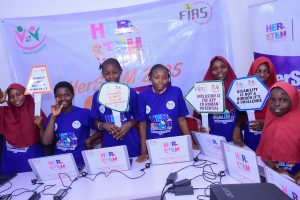
The first class of HerSTEM Cohort 3.0 began on 17 June 2025. It started with a morning session specifically designed for pupils from the Abuja School for the Deaf in Kuje. The training, which ran from 9:00 AM to 12:00 PM, created a space where each participant could begin their digital skills in a supportive learning environment.
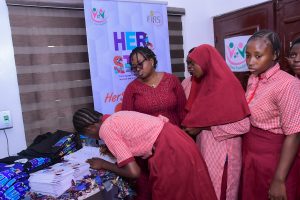
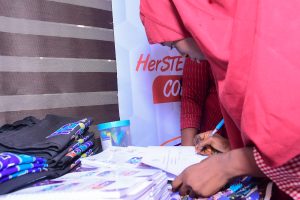
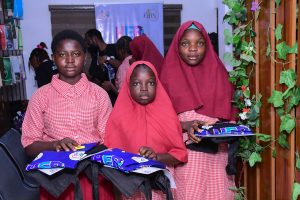
The session began with a welcome and orientation by Ms. Kemisola Ibitoye, Director of Programs at FAME Foundation. She introduced the participants to the HerSTEM program, explained what the entire course would cover, and outlined what was expected of them during the sessions. She also gave a brief overview of the kind of topics and skills they would be introduced to during the program, including basic computer operations and word processing.
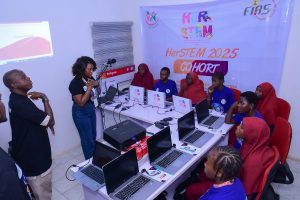
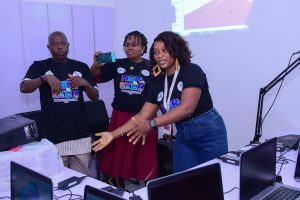
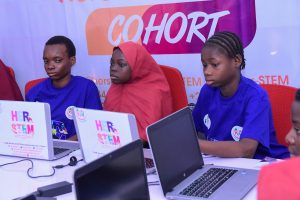
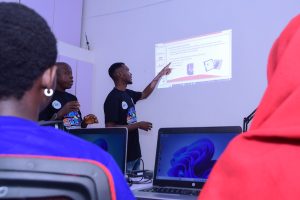
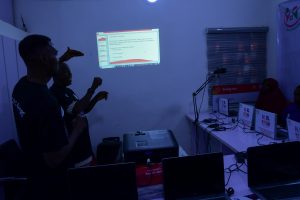
Mr. Joshua Ehialue, a tech expert, facilitated the session for the day. He started with a simple explanation of what a computer is, before guiding the girls with disabilities through the main components of a computer system. He described and demonstrated input devices like the keyboard and mouse and output devices such as the monitor and printer. He then explained the difference between hardware and software using everyday analogies to make the concepts easier to understand.
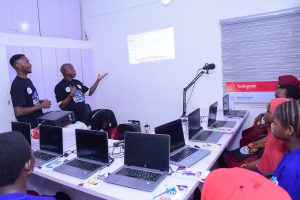
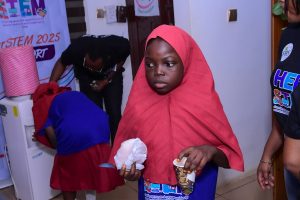
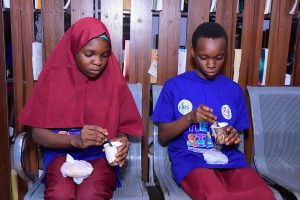
At 11:00 AM, the participants took a tea break.
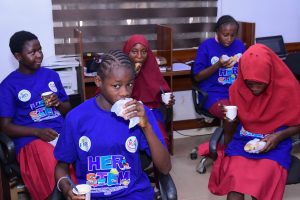
After the break, Mr. Joshua introduced the participants to word processing. They practiced typing their names in upper and lower case, learned how to use the backspace and delete keys, and were shown how to save documents using their names as file titles. The tutor demonstrated how to properly exit Microsoft Word and reopen documents. Some of the participants faced difficulty in navigating these steps initially, but their confidence grew as they received step-by-step guidance.
The room was quiet but focused, with students nodding to show understanding and smiling when they completed a task. By the end of the session, most participants were able to save their work independently and began to understand how digital tools can support learning and communication.
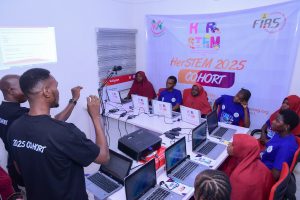
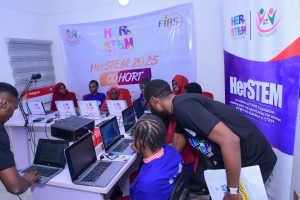
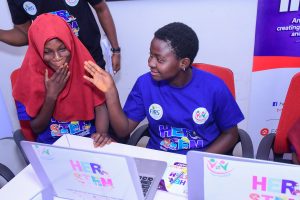
In the afternoon session, which ran from 12:00 PM to 3:00 PM, a different group of learners, adult women with disabilities from various communities were brought together for the same training structure. They were introduced to the basics of using a computer, including how to power it on and off, how to identify desktop icons, how to manage files, and how to save their work. For many of them, this was their first time using a computer.
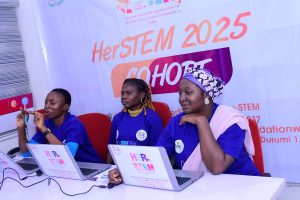
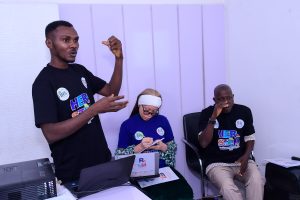
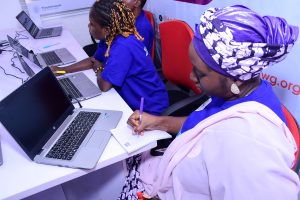
Throughout the classes, communication was supported by professional sign language interpreters, making sure every participant could understand the content being delivered. Questions were encouraged, and the teaching was adapted to match the pace of the learners.
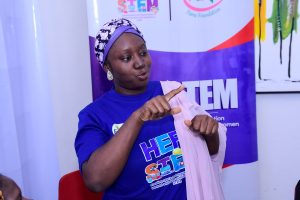
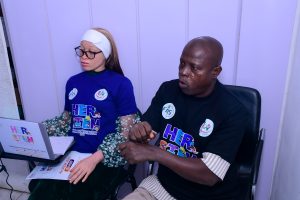
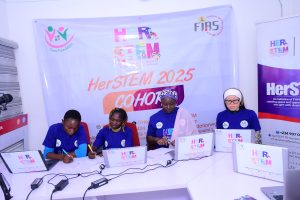
This first class of HerSTEM Cohort 3.0 demonstrated the program’s commitment to accessibility, learning at each participant’s pace, and building foundational digital skills in communities that are often overlooked. By the end of the day, both groups had taken their first steps into the world of technology, and many expressed a willingness to continue learning.
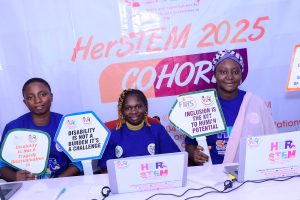
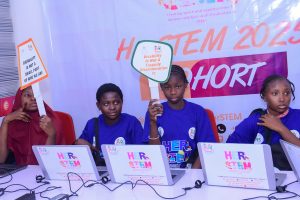
The first phase of the program continues every Tuesday for three (3) months.
This program is in collaboration with the Federal Inland Revenue Service (FIRS).