
Contact Us:
House 3, Gloriana Gardens Estate, NUT road, Sabon Lugbe, Abuja, Nigeria
Landmark: National Union of Teachers (NUT), Sabon Lugbe.
Tel: +2349070051404
Email: info@famefoundationwg.org
A Not-Profitable Organisation set up to formulate programmes through several initiatives to mentor, empower and advocate for women and girls.
FAME foundation was established to solicit, encourage and advance the social, emotional and economic wellbeing of women and girls as well as formulate programmes within the framework of national development plan with a view to enhancing the participation of women and advocate for gender parity in the society. FAME foundation firmly believe that the entire nation, businesses, communities and groups can benefit from the implementation of programs and policies that adopt the notion of women empowerment.
 August 20, 2025
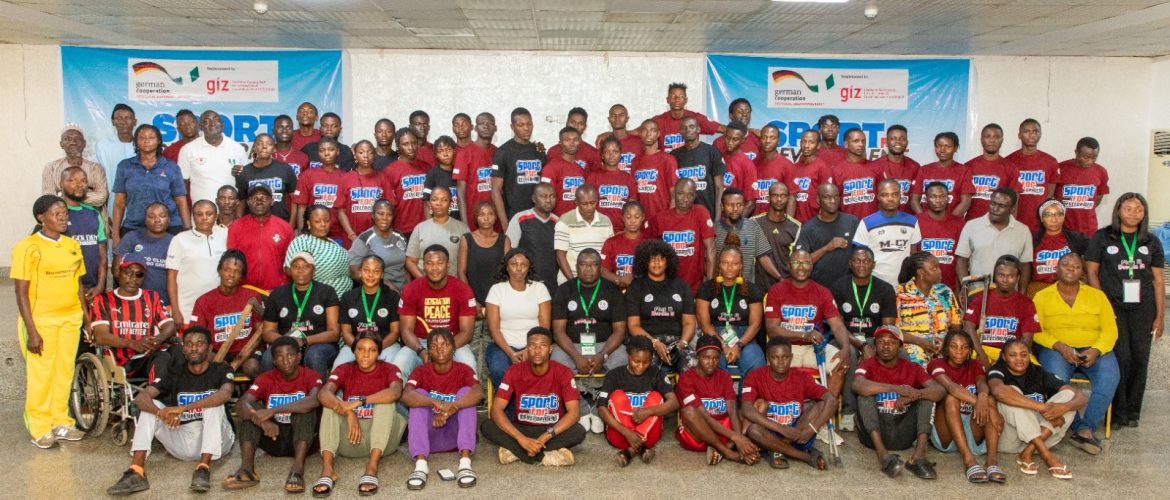
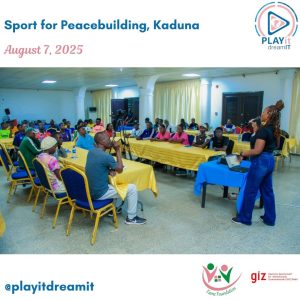
The Peacecore II Project commenced in Kaduna on August 4, 2025. The program was organized by GIZ (Deutsche Gesellschaft für Internationale Zusammenarbeit) and facilitated by FAME Foundation. It was designed to build the capacity of coaches and athletes to use sport as a tool for change, peacebuilding, and conflict resolution.
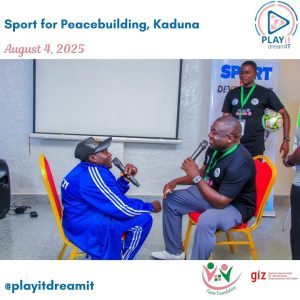
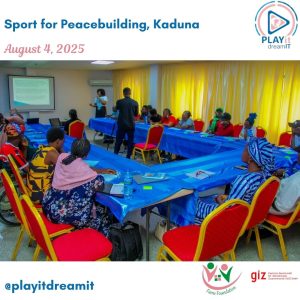
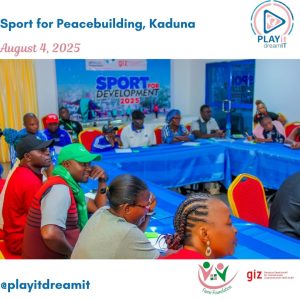
The training began with sessions for coaches, focusing on the role of sport as a unifying tool for social change. Activities highlighted emotional control, effective communication, self-expression, active listening, and constructive ways of resolving disagreements. Coaches took part in exercises that demonstrated how sport can encourage both personal development and community transformation.
The following day emphasized football as a peaceful alternative to conflict. Coaches explored strategies for anger management, conflict prevention, and dispute resolution while examining football as a universal language for dialogue and inclusion. Conflict-sensitive approaches to sport were introduced, followed by practical exercises that provided coaches with methods to promote peace and inclusion in their communities.
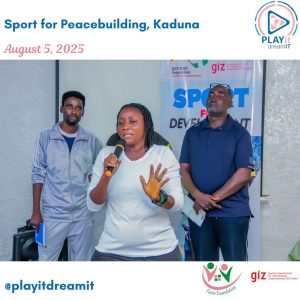
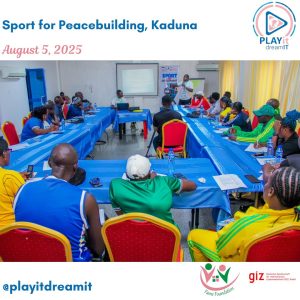
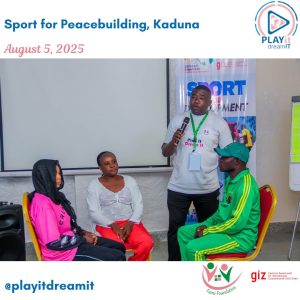
The third day addressed peaceful coexistence across diverse communities, guided by the slogan “Different Tribes, One Team.” Discussions focused on the meaning of coexistence, the risks of poorly managed sporting events, and the power of football in strengthening unity. Coaches reflected on real-life case studies, including global examples such as Didier Drogba and inspiring local tournaments, which illustrated how sport can build respect, diversity, and shared goals.
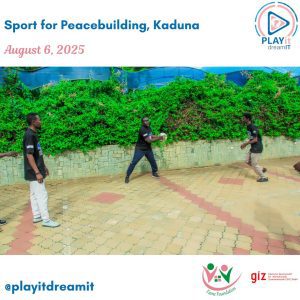
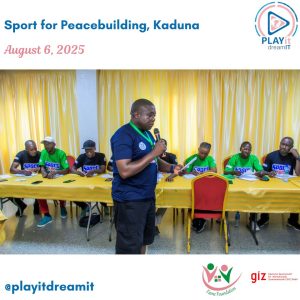

The fourth day shifted to athletes, highlighting how sport can provide resilience, leadership, and structure in the face of social pressures such as unemployment. Sessions on trauma awareness and emotional safety helped athletes recognize triggers, remain calm under pressure, and understand how sport can both challenge and heal emotions. They also learned the basics of planning and leading a community sports day, with attention given to preparation, teamwork, and leadership skills.
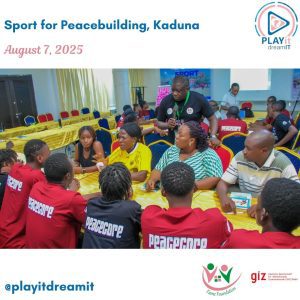
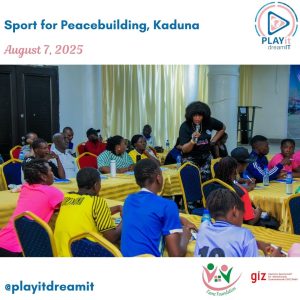
On the fifth day, athletes put their training into practice through a football competition. Divided into groups, they showcased teamwork, discipline, respect, and coexistence on the field. The day also featured an award session that recognized outstanding athletes and acknowledged the support of facilitators and organizers. Reflections underscored the importance of sport as a platform for peacebuilding and community development.
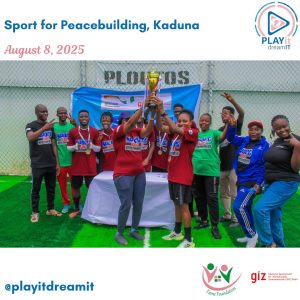
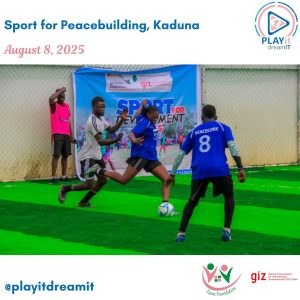
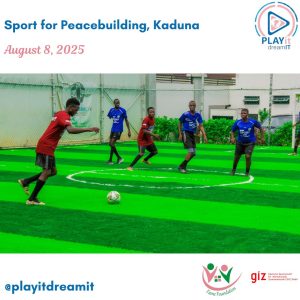
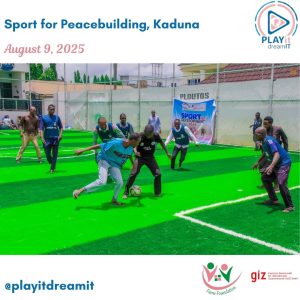
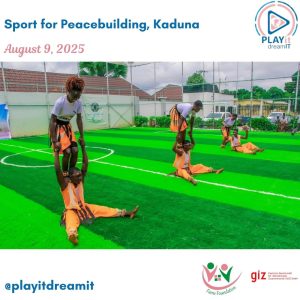
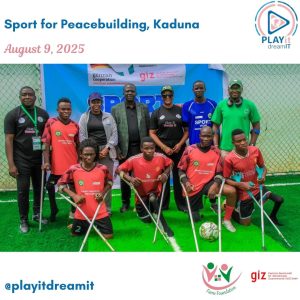
The program concluded on August 9 with the celebration of International Youth Day. A football competition was held for community youths, offering a platform to demonstrate values of teamwork, respect, discipline, and peaceful coexistence. The event reinforced the important role of young people as agents of change and showed how sport can inspire unity, promote dialogue, and strengthen inclusive societies.
The Peacecore II Project in Kaduna successfully equipped both coaches and athletes with practical tools to use sport as a driver of peace, leadership, and community transformation. The six-day program reinforced the role of football as more than a game, highlighting its power to inspire unity, resolve conflict, and build lasting social cohesion.