
Contact Us:
House 3, Gloriana Gardens Estate, NUT road, Sabon Lugbe, Abuja, Nigeria
Landmark: National Union of Teachers (NUT), Sabon Lugbe.
Tel: +2349070051404
Email: info@famefoundationwg.org
A Not-Profitable Organisation set up to formulate programmes through several initiatives to mentor, empower and advocate for women and girls.
FAME foundation was established to solicit, encourage and advance the social, emotional and economic wellbeing of women and girls as well as formulate programmes within the framework of national development plan with a view to enhancing the participation of women and advocate for gender parity in the society. FAME foundation firmly believe that the entire nation, businesses, communities and groups can benefit from the implementation of programs and policies that adopt the notion of women empowerment.
 November 6, 2025
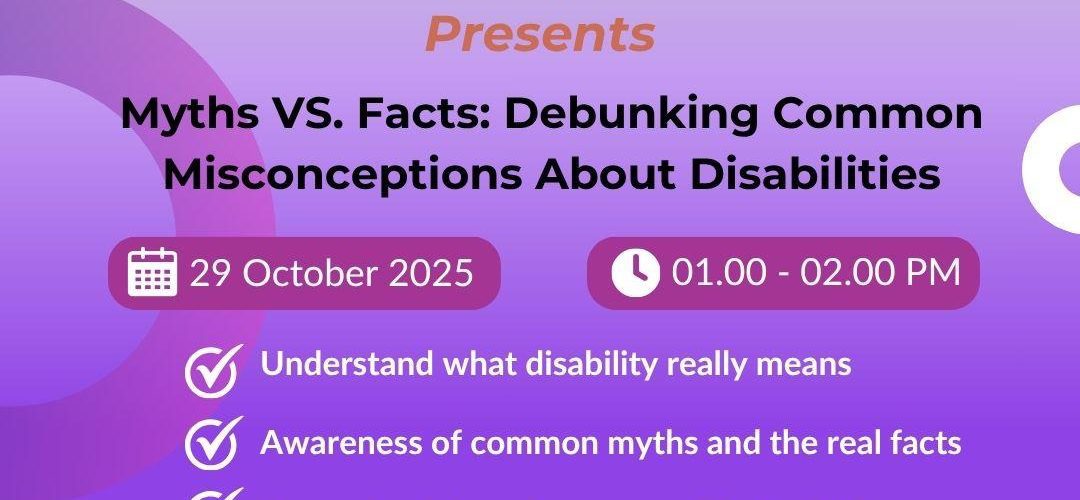
HerSTEM Initiative, an initaitive of FAME Foundation, organized its monthly webinar titled Myths vs. Facts: Debunking Common Misconceptions About Disabilities on October 29, 2025. The session, held via Microsoft Teams, focused on addressing harmful stereotypes and promoting a culture of inclusion, empathy, and respect for persons with disabilities. It aimed to educate participants on the realities of living with disabilities while equipping them with practical strategies to advocate for disability rights and inclusivity in their communities and workplaces.


The webinar featured insightful discussions led by Mr. Mamman Jamilu, who explored common myths surrounding disabilities and provided factual perspectives that challenge stigma and promote understanding. He explained that the myths versus facts approach is more effective than a traditional list of dos and don’ts because it helps reshape perceptions and dismantle stereotypes, allowing individuals to learn and develop empathy.


A major part of the discussion centered on workplace inclusion, where Mr. Jamilu addressed the misconception that employees with disabilities are less capable. He emphasized the importance of recognizing competence based on skill and problem-solving ability rather than perceived limitations. He also highlighted the correct way to offer support to persons with disabilities, stressing that true allyship begins with asking what individuals need instead of making assumptions.


The session further explored pathways to empowerment, emphasizing the role of visibility and skills development. Mr. Jamilu explained that persons with disabilities can be encouraged through positive role models who demonstrate impact and by accessing training opportunities that equip them to live productive and fulfilling lives.
The session concluded with a shared understanding that language plays a critical role in shaping attitudes, that disability should be recognized as part of human diversity, and that persons with disabilities should be seen as experts in their own lives. The webinar successfully achieved its goal of challenging stereotypes and strengthening participants’ capacity to promote inclusion and respect for persons with disabilities.