
Contact Us:
House 3, Gloriana Gardens Estate, NUT road, Sabon Lugbe, Abuja, Nigeria
Landmark: National Union of Teachers (NUT), Sabon Lugbe.
Tel: +2349070051404
Email: info@famefoundationwg.org
A Not-Profitable Organisation set up to formulate programmes through several initiatives to mentor, empower and advocate for women and girls.
FAME foundation was established to solicit, encourage and advance the social, emotional and economic wellbeing of women and girls as well as formulate programmes within the framework of national development plan with a view to enhancing the participation of women and advocate for gender parity in the society. FAME foundation firmly believe that the entire nation, businesses, communities and groups can benefit from the implementation of programs and policies that adopt the notion of women empowerment.
 November 13, 2025
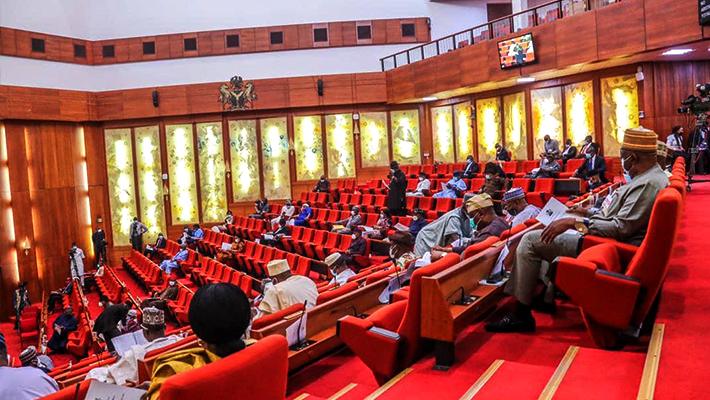
The Nigerian Senate has taken a major legislative step to protect millions of domestic workers, apprentices and interns across the country from sexual abuse, exploitation and unfair treatment by their employers.
This follows the passage of the Informal Sector Employment (Regulation) Bill, 2025, which seeks to formalize and regulate the employment of domestic workers and other informal sector employees, ensuring their rights and welfare are protected under the law.
The Bill, sponsored by Senator Diket Plang (Plateau Central), consolidates two earlier bills the Documentation and Protection of Domestic Workers and Employers Bill, 2024, sponsored by Senator Hussaini Babangida Uba (Jigawa North-West), and the Informal Sector Employment Agents (Regulation) Bill, 2024, sponsored by Senator Musa Mohammed Sani (Niger East).
Presenting the report of the Senate Committee on Employment, Labour and Productivity, Senator Plang said the bill was necessary given the growing incidences of sexual assault, slave labour, torture, and non-payment of wages endured by domestic workers in Nigeria.
According to him, “The intent of this legislation is to protect domestic workers, apprentices, and interns from all forms of abuse sexual, physical, and economic.
The bill provides minimum conditions of service, working hours, rest periods, and fair compensation to ensure that no domestic worker is exploited.”
He added that the bill aligns with the International Labour Organisation’s Domestic Workers Convention 2011 (No. 189), which urges governments to safeguard the rights of domestic workers and regulate employment agencies that recruit them.
He highlighted the Key Objectives of the Bill;
Formalize the employment of domestic workers, apprentices and interns;
Protect them from sexual harassment, physical abuse and exploitation;
Ensure fair remuneration and decent working conditions;
Establish a biometric database of domestic workers and employers under the supervision of the Federal Ministry of Labour and Employment;
Prevent child labour in domestic work;
Guarantee decent feeding, social security and healthcare access for domestic staff.
During a public hearing held on July 22, 2024, the committee received overwhelming support from major stakeholders, including the Federal Ministries of Labour and Women Affairs, the Nigeria Police Force, the National Agency for the Prohibition of Trafficking in Persons (NAPTIP), and civil society organisations.
Stakeholders unanimously described the legislation as timely and necessary to curb abuses such as sexual exploitation, child labour, trafficking, kidnapping and even murder linked to unregulated domestic employment.
They argued that most domestic workers in Nigeria currently operate without formal contracts, regular pay or legal protection a situation that has fostered human rights violations and exploitation.
Contributing to the debate, Senator Tahir Monguno commended the bill, saying,
“This bill regulates the employment conditions of domestic workers, who have long suffered abuses from employers. It ensures they work under fair and humane conditions.”
Deputy Senate President Barau Jibrin, who presided over the session, lauded the Committee Chairman, Senator Diket Plang, and his team for their diligent work.
“Let me commend the chairman and members for a job well done. Please continue to work in the interest of the nation and your fatherland,” Barau said.
After clause-by-clause consideration, the bill was read for the third time and passed by the Senate following a unanimous voice vote.
With this legislative milestone, domestic workers, apprentices and interns in Nigeria are set to enjoy formal recognition, protection from abuse, and access to fair employment standards a move widely described as a turning point for the nation’s informal labour sector.
Source: The Sun