
Contact Us:
House 3, Gloriana Gardens Estate, NUT road, Sabon Lugbe, Abuja, Nigeria
Landmark: National Union of Teachers (NUT), Sabon Lugbe.
Tel: +2349070051404
Email: info@famefoundationwg.org
A Not-Profitable Organisation set up to formulate programmes through several initiatives to mentor, empower and advocate for women and girls.
FAME foundation was established to solicit, encourage and advance the social, emotional and economic wellbeing of women and girls as well as formulate programmes within the framework of national development plan with a view to enhancing the participation of women and advocate for gender parity in the society. FAME foundation firmly believe that the entire nation, businesses, communities and groups can benefit from the implementation of programs and policies that adopt the notion of women empowerment.
 November 3, 2026
FAME Foundation, through its Public Accountability, Citizenship and Transparency (PACT) Initiative, held a two-day capacity-building workshop on Election Reporting, Monitoring and Fact-Checking in the Age of Artificial Intelligence on 29–30 October 2026 in Abuja, Nigeria. The workshop brought together approximately 20 journalists, media practitioners and social media influencers to strengthen their skills in responsible election reporting, information verification and combating misinformation.
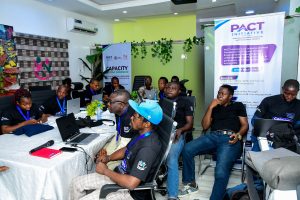


The sessions featured experienced journalists and fact-checking professionals who shared practical knowledge on the changing media landscape and the challenges artificial intelligence presents to election coverage.
Dr. Theophilus Abbah, an award-winning investigative journalist, editor and journalism trainer with a PhD in Forensic Linguistics, led discussions on AI-generated content, political communication and emerging threats to credible election reporting. He highlighted the importance of ethical journalism, careful verification and professional responsibility, particularly as artificial intelligence makes it easier to create and circulate misleading information.
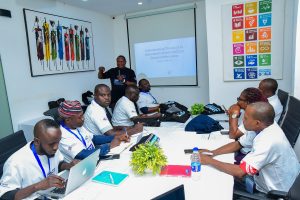
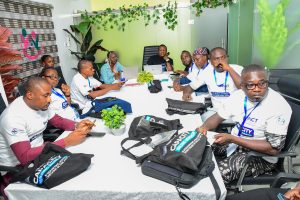
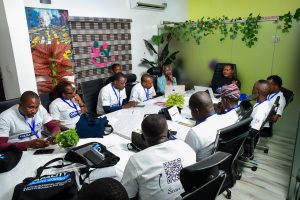
Ms. Ebunoluwa Olafusi, Editor of CableCheck, a fact-checking platform dedicated to countering misinformation through evidence-based reporting, guided participants through the principles and processes of fact-checking. Her session explored different forms of misleading information, how to verify claims, and the issues journalists should pay attention to before, during and after elections. She also discussed the limitations of AI tools and why journalists must apply critical judgment when using them.


Mr. Daniel Adaji, a journalist, fact-checker and data analyst with Media Trust Group, facilitated a practical session on visual verification. Participants learned how to identify signs of manipulated or AI-generated images and videos, examine digital evidence and use verification tools such as InVID. Through practical exercises, they gained experience in checking the authenticity and context of visual content before sharing or publishing it.


Participants also received training in video and audio verification, digital investigations and open-source intelligence (OSINT), equipping them with additional skills to investigate online content and strengthen the accuracy of their reporting.
The workshop provided an opportunity for participants to exchange experiences, practise verification techniques and reflect on the media’s responsibility in protecting the integrity of the electoral process. At the end of the two-day programme, participants received certificates in recognition of their participation.


As misinformation and AI-generated content continue to shape the information environment, the workshop reinforced the need for journalists and media practitioners to remain vigilant, ethical and committed to accuracy.
The message of the capacity building workshop was: Verify Before You Post.