FAME foundation was established to solicit, encourage and advance the social, emotional and economic wellbeing of women and girls as well as formulate programmes within the framework of national development plan with a view to enhancing the participation of women and advocate for gender parity in the society.
FAME foundation firmly believe that the entire nation, businesses, communities and groups can benefit from the implementation of programs and policies that adopt the notion of women empowerment.
If you have ever had to explain that Polycystic Ovary Syndrome (PCOS) is not actually about ovarian cysts, the medical community has finally caught up. On May 12, 2026, international experts officially renamed the condition Polyendocrine Metabolic Ovarian Syndrome (PMOS).
What Exactly Is PMOS?
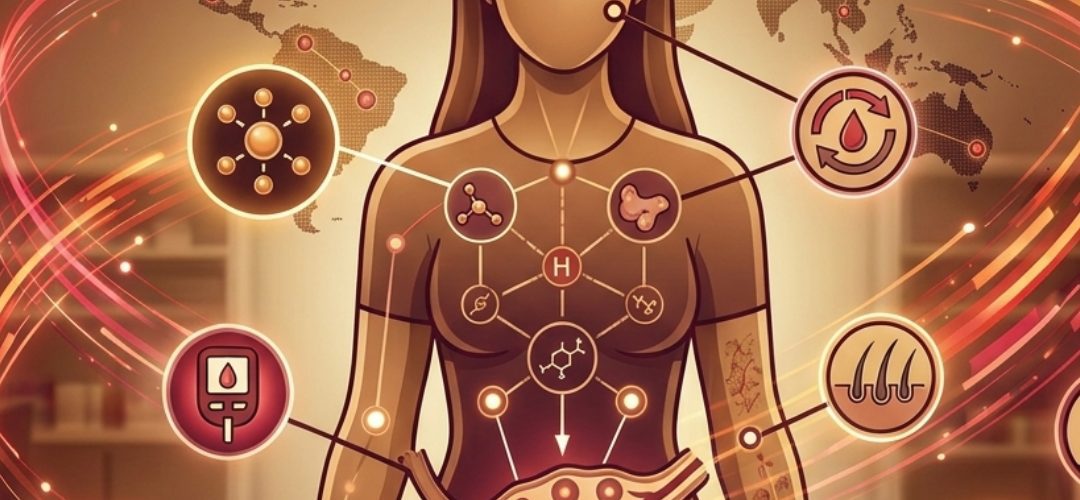
PMOS is a lifelong, whole-body hormonal and metabolic disorder; not just a reproductive or ovary problem. It occurs when the body’s chemical messaging system gets out of sync, affecting how you process energy, regulate blood sugar, and produce hormones. It is incredibly common, affecting 1 in 8 women worldwide (over 170 million people).
Why the Old Name Was Retired
“Polycystic” is factually wrong: The tiny circles seen on an ultrasound are not dangerous cysts that rupture or need surgery. They are just entirely normal, immature follicles (eggs) that paused in development due to a hormone glitch.
“Ovary” was too limiting: Putting it strictly in a gynecological box caused millions of women to experience delayed diagnoses and fragmented care, as people assumed it was just a “bad period” issue.
The new name fixes this by breaking down what is actually happening:
Polyendocrine: “Many hormones”—highlighting a system-wide hormonal imbalance.
Metabolic: Acknowledging the direct impact on blood sugar, energy, and weight.
Ovarian: Keeping the link to reproductive health without making it the sole focus.
The 5 Core Signs of PMOS
Because PMOS is a multi-system disorder, symptoms look different for everyone:
Irregular Periods: Out-of-balance hormones disrupt the signal to release an egg monthly. Periods become unpredictable, far apart, or stop entirely, making conception more challenging.
High Androgen Levels: The body overproduces hormones like testosterone, causing cystic acne, oily skin, facial/body hair growth, and scalp hair thinning. These signs are often mistakenly dismissed as “normal puberty” in teens.
Immature Follicles: Ultrasounds show a cluster of small, undeveloped fluid sacs. These are simply paused eggs, not tumors or dangerous cysts.
Insulin Resistance: The body’s cells become “numb” to insulin, forcing the pancreas to overproduce it. This metabolic engine triggers weight gain (especially around the stomach), intense sugar cravings, fatigue, and raises the risk for Type 2 diabetes.
Darkened Skin Patches: High insulin levels can cause skin cells in friction areas to multiply quickly, creating thick, velvety, darkened patches in body folds like the neck, groin, or under breasts. This fades once insulin is managed.
How It Is Managed
While there is no permanent cure, viewing PMOS as a metabolic and hormonal condition makes it highly manageable through a personalized approach:
Lifestyle Foundations: Regular physical movement helps muscles absorb blood sugar naturally, while a balanced, high-fiber diet prevents sharp insulin spikes.
Medical Options: Under a doctor’s supervision, targeted treatments can help. This includes hormonal birth control to regulate cycles, androgen blockers to clear skin and reduce facial hair, or metabolic medications like metformin to help the body process insulin efficiently.
ABOUT THE GLOBAL UPDATE
Professor Helena Teede, an endocrinologist at Monash Health in Melbourne and Director of the Monash Centre for Health Research & Implementation, led the global effort to change the name following decades of research and close observation of its impact on patients. The official name change was published in the world-renowned medical journal The Lancet and announced on 12 May, 2026, at the European Congress of Endocrinology in Prague, Czech Republic.